 Remote Support
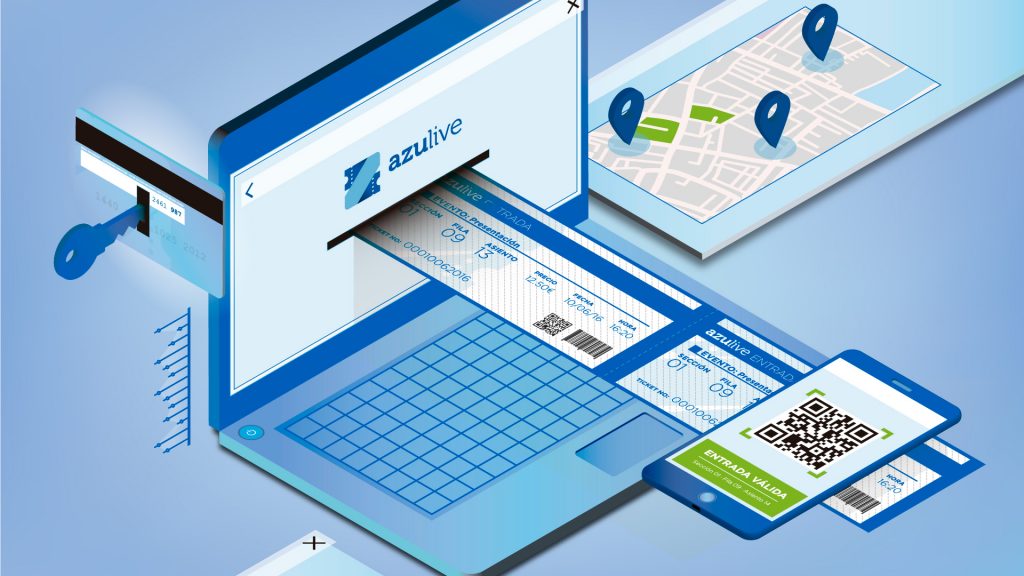
Ticket resale in Spain
For a long time now, ticket reselling for concerts and shows has been commonplace. Many of these tickets are counterfeit, and the reality is that many people are affected by this.
In general terms, it can be said that one in four Spaniards has resold a ticket at some point, and one in three has bought a resale ticket, according to the “Study on the use and perception of ticket resale in Spain.”. A total of 12,000 surveys have been carried out, almost 4,000 of them in the Community of Madrid, comparing the resale price of 80 concerts, festivals or shows with the price set by the promoters.
Data:
- The resale premium is around 147%.
- 68% of the people who bought fake tickets and were unable to enter the event claim that they were unable to get their money back.
- People have been known to pay over €400 for a concert ticket.
Given this situation, the idea of legislating online resale is being raised (and many artists have already protested), but there's a lot more to this issue because, is it even possible? Can the online sale of second-hand goods be regulated?.
Another idea is to make the tickets personalized and ask each person for their ID to prove that the ticket is not fake, but all this generates extra expenses, since there have to be more people checking and at the same time it generates longer queues.
There are many companies on the internet (such as Viagogo.com) that offer second-hand tickets, which are also fake.
In exchange for a commission, they facilitate the possibility for anyone to put their tickets up for sale at whatever price they choose. The websites themselves are responsible for verifying the authenticity of the tickets and delivering them to their destination. The seller adjusts the price according to demand. But beyond these websites, there is a large market that uses a technique called scalping, whereby they buy the largest possible number of tickets in a few minutes or seconds and then sell them at a high profit margin.
What solution do we propose for this situation?
Azulive It is a web application specializing in ticketing that was created to meet the needs of promoters and meeting places that advocate for culture.
As it is a proprietary system, each owner sets their own sales policy and therefore will not be at the mercy of ticketing platforms releasing ticket packages directly from their resale platform.
Besides azulive It incorporates security mechanisms that prevent the mass purchase of tickets, whether by people or by automated bots.
Other security systems can also be implemented to prevent fraud, such as verifying the ticket purchase with a code printed on it at a public access point. azulive, whether that entry is legitimate or not.
But most importantly, it's a ticketing system in property, It is not like other platforms (Ticketmaster, Ticketea…), which dictate their rules as it suits them best and to earn the maximum amount of money possible, at the expense of spectators or the promoters themselves.
This documentary aired on the program “Research team”On La Sexta, we can see a summary of what is happening in Spain with ticket resale:
Watch the documentary Investigation Team
Sources:
http://www.20minutos.es/noticia/2966544/0/reventa-entradas-online-soga-cuello/
http://cadenaser.com/ser/2017/06/19/cultura/1497876371_339517.html
https://economia.elpais.com/economia/2017/09/15/actualidad/1505466330_357905.html